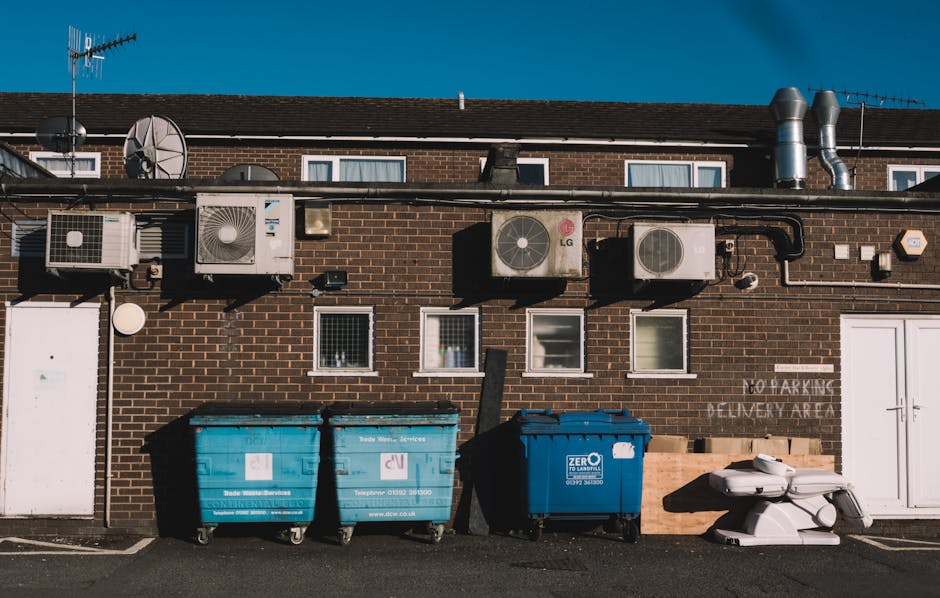
Bulky waste confusion: New Cross pricing explained
If you have a sofa squeezed into a hallway, a broken wardrobe in the spare room, or a stack of renovation offcuts that has somehow become "a temporary feature", you are probably here for one thing: clear answers on bulky waste confusion and what pricing in New Cross actually means. Fair enough. The wording can be messy, the quotes can vary, and the difference between a tidy collection and an awkward surprise fee is not always obvious.
This guide breaks it down in plain English. You will learn what affects the price, how bulky waste collection usually works in New Cross, what to ask before you book, and how to avoid paying more than you need to. Along the way, we will also cover the practical side of disposal, compliance, and the small details that tend to trip people up. If you are comparing local options, you can also explore related services like rubbish removal in New Cross and the wider London rubbish removal service area for context.
Let's face it, nobody wants to spend an afternoon decoding waste jargon. You just want the job done properly, at a fair price, with no drama at the kerb.
Table of Contents
- Why bulky waste pricing confusion matters in New Cross
- How bulky waste pricing usually works
- Key benefits and practical advantages
- Who this is for and when it makes sense
- Step-by-step guidance
- Expert tips for better results
- Common mistakes to avoid
- Tools, resources and recommendations
- Law, compliance, standards and best practice
- Options, methods and comparison table
- Case study or real-world example
- Practical checklist
- Conclusion
- Frequently asked questions
Why bulky waste pricing confusion matters in New Cross
Bulky waste looks simple on the surface. A mattress, a wardrobe, a broken table, maybe a bit of carpet. But pricing confusion starts as soon as you compare one collection with another. One quote sounds cheap until you realise it only covers a single item. Another feels higher, but it includes lifting, loading, transport, disposal, and a same-day slot. That difference matters.
In New Cross, where many homes have stairs, tight entrances, shared access, or limited parking, the actual job can be more involved than it first appears. That can affect the final price in a very real way. A ground-floor flat with clear access is one thing. A third-floor walk-up with a heavy sofa and no lift is another story entirely.
Why does this matter so much? Because unclear pricing makes it harder to budget, harder to compare services, and easier to end up frustrated on the day. If you are trying to clear a property, finish a move, or get rid of a pile of junk before visitors arrive, the last thing you need is a back-and-forth over what counts as "bulky".
It also matters because the wrong disposal choice can create waste issues later. Good providers handle loading and transfer carefully, while poor planning can lead to missed collections, fly-tipping risks, or wasted time. For broader waste and clearance needs, some people also look at waste disposal options and then decide whether a one-off collection or a fuller clearance is the better fit.
Practical takeaway: if the quote is vague, assume there are hidden variables. Ask what is included before you book. That one habit saves a lot of stress.
How bulky waste pricing usually works
Most bulky waste pricing is based on a mix of volume, item type, labour, access, and disposal cost. In plain English, the provider is looking at how much space your waste takes up, how awkward it is to move, and what it will cost to process it properly.
Here is the usual pattern:
- Item count: Some services price per item, especially for sofas, fridges, mattresses, or single appliances.
- Load size: Others price by how much of a van or lorry you fill. A quarter load, half load, full load, and so on.
- Weight and material: Heavy builders' waste, wet waste, and mixed loads can cost more because they are harder to handle and dispose of.
- Access difficulty: Stairs, long carries, parking limits, or no lift can increase the labour element.
- Special handling: Mattresses, electricals, fridges, and certain mixed materials may require separate processing.
- Timing: Urgent same-day or evening collections can carry a premium.
To be fair, not every company explains this in a helpful way. Some use broad price bands, while others quote after photos or a quick call. The better the upfront details, the less likely you are to get a wobble later.
If you are clearing a property with a mix of furniture and household clutter, a full property clearance may actually be better value than separate bulky-item removals. That depends on what you have, how fast you need it gone, and whether there are multiple rooms involved.
A simple example
Imagine a standard sofa bed, a coffee table, and two black bags. On paper, that sounds small. But if the sofa bed is on the second floor, there is a narrow stairwell, and parking is a bit of a headache, the labour cost may be more relevant than the item count. That is why two "similar" jobs can end up with different prices.
Key benefits and practical advantages
Once you understand the pricing logic, bulky waste collection becomes much easier to plan. There are some clear benefits, especially if you are trying to keep your home, rental, or renovation site under control.
- Less stress: You avoid the DIY hassle of hiring a van, finding helpers, and figuring out disposal routes.
- Faster turnaround: A good collection can clear a room or property in one visit.
- Safer handling: Heavy furniture, broken glass, and awkward items are moved by people who know how to carry them properly.
- Better cost control: Clear pricing helps you compare like-for-like rather than guessing.
- Cleaner finish: Many services leave the area swept and ready, which is a lovely feeling, honestly.
There is also a hidden benefit that people often miss: decision clarity. Once you know whether you need a small bulky-item pickup or a larger clearance, you stop overbuying the wrong service. That sounds minor. It is not. It saves time, money, and the odd headache.
If you are dealing with a spring clean, a landlord handover, or a flat move, these advantages add up quickly. For some jobs, the right next step might even be a broader house clearance service rather than piecemeal pickups.
Expert summary: the cheapest quote is not always the best value. The best value is the one that clearly states what is included, matches the access conditions, and removes the waste without last-minute surprises.
Who this is for and when it makes sense
Bulky waste removal in New Cross makes sense for a fairly wide range of people. If you are wondering whether you fit the profile, you probably do.
- Homeowners clearing old furniture, tired appliances, or garden clutter.
- Tenants moving out and needing to leave a flat tidy.
- Landlords and letting agents dealing with end-of-tenancy leftovers.
- Businesses disposing of office furniture or shop fittings.
- Builders and trades needing occasional non-hazardous clearance after a job.
- Families making room after a move, a bereavement, or a big life shift.
Sometimes the need is obvious. A broken wardrobe in the hallway is not subtle. Other times it creeps up. A few items in the shed, then a mattress in the spare room, then a table no one uses, and suddenly you have a small mountain. The pile grows quietly. Happens all the time.
This is also where New Cross's housing mix matters. Shared houses, Victorian conversions, maisonettes, and compact flats can create access issues that affect collection time. If the stairs are narrow or parking is tight, it is wise to mention that early rather than hoping it will not matter. It probably will.
Step-by-step guidance
If you want to keep the process smooth and the price fair, a structured approach works best. Here is a simple way to handle it.
- List what needs removing. Write down each item or group items by type: furniture, appliances, bags, mixed junk, or renovation waste.
- Check access. Note stairs, parking restrictions, narrow corridors, lift access, or shared entrances.
- Take clear photos. Photos help providers judge load size and labour more accurately. One wide shot and one close-up usually do the trick.
- Ask what the quote includes. Confirm loading, transport, disposal, labour, VAT if applicable, and any extra charges.
- Compare on the same basis. Make sure each quote is for the same items and the same access conditions.
- Book a suitable time. If you need a fast turnaround, ask about same-day or next-day availability.
- Prepare the items. Move smaller objects together, clear pathways, and keep access as open as possible.
- Confirm the final amount before removal starts. That protects you from awkward surprises later.
That last step is especially useful. A quick confirmation before work begins is one of those tiny habits that saves a lot of grief. Nothing fancy, just sensible.
If you are unsure whether your job is more of a pickup or a fuller clearance, related service pages like office clearance and London rubbish removal can help you think through the scale of the job.
Expert tips for better results
Here is where the small details make a big difference. In our experience, most pricing confusion comes from incomplete information rather than bad intent. A few smart moves can tighten everything up.
Be specific about the items
"A bit of furniture" is not enough detail. Say whether it is a wardrobe, bed frame, mattress, sofa, chest of drawers, or appliance. If something is broken into pieces, mention that too.
Describe access honestly
If parking is awkward or you are on the fourth floor with no lift, say so. It is better to sound thorough than to understate the job and cause a delay. Truth be told, providers appreciate clarity.
Separate reusable from non-reusable items
If you have items that could be donated or reused, keep them apart from damaged waste. That can help the collection process and may reduce the size of the load that needs disposal.
Ask about mixed loads
Mixed loads can change the price. A sofa plus a bag of cushions plus some plasterboard offcuts is not always priced the same as one category of waste. Mixes can be fine, but they should be described clearly.
Plan around local traffic and parking
New Cross can be busy at certain times of day, and a collection that sounds quick on paper may take longer if the vehicle has to wait. Early morning or off-peak slots can sometimes be smoother. Not always, but often enough to matter.
If you want a broader tidy-up rather than just a single bulky item, a combined home clearance may be more efficient and easier to price.
Common mistakes to avoid
Most pricing problems are avoidable. Really. They usually come down to one of a handful of simple mistakes.
- Getting quotes without photos. A vague description leads to vague pricing.
- Forgetting access details. Stairs and parking matter more than many people expect.
- Comparing different service types. A per-item quote is not the same as a load-based quote.
- Not asking about disposal fees. Certain items cost more to process.
- Leaving items unprepared. If collection teams have to dismantle or sort on the spot, costs may rise.
- Assuming everything is "bulky waste". Some waste requires different handling entirely.
A very common slip is to focus only on the first number you hear. Then the extra costs turn up later and the whole thing feels more expensive than it needed to be. Annoying, yes. Preventable, also yes.
Another one: forgetting to mention that a mattress is wet, damaged, or heavily soiled. That sort of detail can affect handling and disposal, and it is always better to mention it upfront.
Tools, resources and recommendations
You do not need specialist tools to arrange bulky waste removal, but a few basic things make the process easier and the quote more accurate.
- Phone camera: Take clear photos in daylight if possible.
- Notepad or notes app: List items, dimensions if known, and access issues.
- Measuring tape: Handy for checking whether a sofa, bed base, or wardrobe needs dismantling.
- Calendar reminder: Useful for booking slots and avoiding last-minute scrambles.
- Labelled staging area: If you can group waste near the exit, the collection tends to run more smoothly.
From a planning point of view, the most useful "resource" is probably a clear understanding of the service type you need. That can be a small one-off pickup, a full room clearance, or something larger like flat clearance. If the waste is spread across the property, the latter may be the cleaner option.
One practical recommendation: if you are in doubt between two service levels, ask which option is likely to be more cost-efficient for your actual load. A good provider should be able to explain that in plain language, without all the sales fluff.
Law, compliance, standards and best practice
Waste removal is not just a logistics job. There is a compliance side too, and while you do not need to become an expert overnight, it helps to understand the basics.
In the UK, waste should be handled by an appropriate, responsible operator and taken to a legitimate disposal route. As a customer, your best protection is simple: use a service that is transparent about what it removes and how it is handled. If a collection looks suspiciously cheap, or someone suggests dumping items somewhere informal, walk away. That is not a bargain. That is a problem waiting to happen.
Good practice usually includes:
- clear item descriptions before collection
- honest pricing and written confirmation where possible
- safe lifting and loading methods
- appropriate segregation of special items when needed
- responsible disposal rather than ad hoc dumping
If your bulky waste includes electrical items, fridges, or anything with a special disposal requirement, mention it early. The rules around handling can vary by item type, and it is better to treat these as separate categories than to assume they are all interchangeable.
For businesses, the standards are a little stricter in practice because paperwork, duty of care, and site rules often matter more. If that is you, a service like commercial waste collection may be the more suitable route than a domestic-style one-off pickup.
Best-practice reminder: if the quote sounds too good to be true, ask more questions. A responsible provider will not mind.
Options, methods and comparison table
Not every bulky waste job needs the same solution. Sometimes you just need a quick collection. Sometimes a broader clearance is better. Here is a simple comparison to help you think it through.
| Option | Best for | Typical strengths | Possible drawbacks |
|---|---|---|---|
| Per-item bulky waste collection | One or two large items | Simple, quick, easy to understand | Can become less efficient if you have several items |
| Load-based rubbish removal | Mixed household waste or several bulky pieces | Flexible for varied loads, often better value for larger jobs | Needs more accurate volume estimates |
| Room or property clearance | Moves, probate, end-of-tenancy, major decluttering | Most efficient for multiple rooms or heavy clutter | May be more service than you need for a small job |
| DIY van hire and disposal | People with time, transport, and lifting help | Potentially flexible if you can do everything yourself | Time-consuming, physically demanding, disposal risks |
The main decision is not "which is cheapest on paper?" It is "which is cheapest for my actual situation?" Those are not always the same thing. A quick one-item collection might be perfect today, while a full clearance makes more sense next month when the whole room needs sorting anyway.
Case study or real-world example
Here is a realistic example from the kind of job people in New Cross often face. A tenant is moving out of a two-bedroom flat near a busy road. There is an old sofa, a broken desk, a mattress, and several bags of mixed clutter from a long-overlooked cupboard. The flat is up two flights of stairs, and parking outside is tight.
At first glance, the tenant thinks it is a "small job." Four bulky items, a few bags, done in ten minutes maybe? But once access is explained properly, the quote changes. The provider needs to allow time for carrying items down stairs, parking safely, and managing mixed waste. If the tenant had asked for a price without mentioning the access, they might have compared the wrong figure altogether.
The useful part here is not the exact price. It is the process. Once the job is described clearly, the collection can be planned sensibly, the cost is easier to understand, and the work gets done without awkward backtracking. A quick photo, a short call, and a clear list would have saved a lot of back-and-forth.
That is the whole point of pricing clarity. Not perfection. Just fewer surprises.
Practical checklist
Use this checklist before you request a quote or confirm a collection. It keeps things simple and usually saves time.
- List every bulky item you need removed.
- Separate furniture, appliances, bags, and construction waste.
- Take photos in good light.
- Measure large items if access looks tight.
- Note stairs, parking, lifts, and entrance width.
- Ask whether labour, loading, disposal, and VAT are included.
- Confirm whether special items have extra charges.
- Check the collection time and whether same-day service is available.
- Clear the access route before the team arrives.
- Get final price confirmation before the removal begins.
If you can do those ten things, you are already ahead of most people. Honestly, that alone removes a lot of the confusion.
Conclusion
Bulky waste confusion in New Cross usually comes down to one thing: the quote is only useful when it reflects the real job, not just the obvious items. Access, load size, item type, and disposal requirements all play a part. Once you understand that, pricing becomes much easier to compare, and the whole process feels less like a mystery.
The good news is that you do not need to overcomplicate it. Gather clear details, ask direct questions, and make sure the service matches the size of the task. Whether you are clearing a single sofa or sorting out a fuller household job, the right plan will save time and keep the budget under control.
If you are still weighing up your options, take a calm, practical look at what needs to go and how accessible it is. That small bit of preparation can make the difference between a frustrating day and a smooth one. And really, that is what most people want: a simple job done well, no fuss, no extra noise.
Get a free quote today and see how much you can save.
When the last bulky item is gone and the space opens up again, it feels better than you expect. A bit lighter. A bit easier to breathe in. That part never gets old.
Frequently Asked Questions
What does bulky waste usually include?
Bulky waste generally includes large household items such as sofas, beds, wardrobes, mattresses, tables, chairs, and some appliances. Exact acceptance can vary, so it is always worth listing the items clearly before booking.
Why do bulky waste prices vary so much in New Cross?
Prices vary because jobs are rarely identical. Access, stairs, parking, item type, load size, and disposal requirements all affect the final cost. A simple ground-floor pickup is very different from a multi-item removal in a narrow stairwell.
Is it cheaper to book one big clearance rather than several small removals?
Often, yes. If you have multiple bulky items or mixed household waste, a larger collection or clearance can be better value than booking each item separately. It depends on the volume and the type of waste.
How can I get a more accurate quote?
Send photos, item counts, and access details. Mention stairs, parking restrictions, and any special items like fridges or heavy builders' waste. The clearer your description, the less likely the quote is to change later.
Do I need to be at home for the collection?
Usually, yes, especially if the team needs access to specific rooms or if you want to confirm the final price before removal begins. Some arrangements may allow flexible access, but that should be agreed in advance.
What happens if my bulky waste is heavier than expected?
If the load is heavier or more awkward than described, the price may need to be adjusted. That is why honest details matter. A quick photo and accurate item list help avoid awkward surprises on the day.
Can bulky waste be taken from a flat with no lift?
Yes, but stairs usually affect labour and therefore price. It is important to mention the number of floors and whether the stairwell is narrow or difficult to navigate. That sort of detail really matters.
Are electrical items treated differently?
Often they are. Electrical items and appliances can require different handling or disposal routes, especially if they contain parts that need separating. Always mention them in advance rather than assuming they are treated like ordinary furniture.
What if I only have one large item?
Single-item collection can still make sense, especially if the item is too heavy, awkward, or time-consuming to move yourself. It is a practical option when you want quick removal without hiring transport or helpers.
Is there a difference between bulky waste removal and property clearance?
Yes. Bulky waste removal usually covers specific large items or a defined load. Property clearance is broader and suited to full rooms, flats, houses, or large mixed loads. If in doubt, the larger service may be more efficient.
How do I avoid hidden charges?
Ask what is included before booking: loading, labour, transport, disposal, and any special-item fees. Also confirm access conditions and whether the quoted price is fixed or subject to inspection on arrival.
What is the best next step if I am still unsure?
Make a simple inventory, take a few photos, and compare quotes on the same basis. If the job feels larger than a one-off pickup, ask whether a clearance service would be more suitable. A good provider should help you choose the right option without pressure.