Deptford High Street rubbish collection tips for SE14 homes
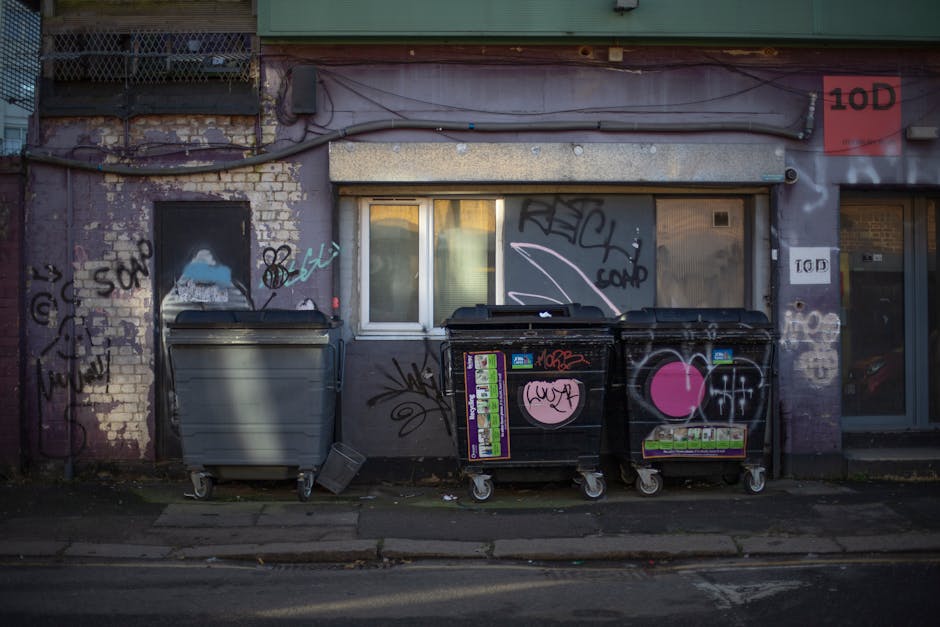
If you live in SE14 and you have ever tried to shift a broken wardrobe, a bag of old odds and ends, or a week's worth of household clutter from a flat near Deptford High Street, you already know the awkward bit is not always the lifting. It is the timing, the sorting, the access, and the little details that can turn a simple rubbish collection into a mild headache. These Deptford High Street rubbish collection tips for SE14 homes are here to make that easier. The aim is simple: help you clear waste safely, legally, and with far less stress than most people expect.
Whether you are preparing for a bigger clear-out, moving out of a flat, or just trying to get on top of overflowing junk before it becomes "one of those jobs", the right approach saves time and avoids avoidable mess. Let's walk through what works in real homes, not just in tidy theory.
- Why it matters
- How rubbish collection works
- Key benefits and practical advantages
- Who this is for
- Step-by-step guidance
- Expert tips
- Common mistakes to avoid
- Tools, resources and recommendations
- Law, compliance, standards and best practice
- Options and comparison table
- Case study
- Practical checklist
- Conclusion
- Frequently asked questions
Why Deptford High Street rubbish collection tips for SE14 homes Matters
Deptford High Street sits in a busy, lived-in part of south-east London, and SE14 homes often come with the usual urban realities: limited storage, stair-only access, tight hallways, shared entrances, and not much patience for bulky rubbish hanging around. That is exactly why good rubbish collection habits matter. A small pile can turn into a larger one almost overnight. A sofa in the wrong place blocks a landing. A few black bags left too long can start looking and smelling worse than you remembered. Not ideal, really.
There is also the practical side. In a busy street setting, rubbish left out at the wrong time may be in the way of neighbours, passers-by, or cleaners. If items are not sorted correctly, you can slow down the collection process and end up making multiple trips. That is annoying on a quiet Sunday, and even more annoying when you are trying to work around a school run, a delivery window, or a landlord inspection.
For SE14 homes, the big win is control. When you know what you have, what can be collected, and how to prepare it, you avoid the classic last-minute panic. That is especially useful for flats, terraces, and shared properties where space disappears fast. If your clear-out is bigger than a few bin bags, services such as waste removal, flat clearance, or even a broader home clearance approach may be more efficient than trying to do everything piecemeal.
Key takeaway: the more compact and sorted your waste is before collection day, the faster, safer, and cheaper the job usually becomes. In small London homes, a little preparation goes a very long way.
How Deptford High Street rubbish collection tips for SE14 homes Works
At its simplest, rubbish collection for SE14 homes is about matching the waste you have with the most sensible removal method. That sounds obvious, but in practice people often mix general household rubbish with bulky furniture, garden waste, and renovation debris. Then the whole thing becomes a bit messy. The trick is to think in categories before you think in bags.
Start with the type of waste
Ask yourself what you are getting rid of. Is it standard household waste, old furniture, broken DIY offcuts, loft clutter, or a garage full of long-forgotten items? Each category has different handling needs. Furniture and large household items usually need more planning. Lightweight mixed waste may be easier to move but can still need careful sorting.
Think about access
SE14 homes vary a lot. Some have front steps, some have narrow internal staircases, and some are upper-floor flats where lifting a heavy item takes more than one person and a lot of patience. If a collection team has to carry items down awkward stairs or through a tight communal hallway, that needs to be planned. It is not drama. It is just reality.
Decide whether it is a small load or a bigger clear-out
For a small number of bags, a basic waste removal collection may be enough. If you have a mixture of old beds, wardrobes, and boxes of general clutter, the job starts to look more like a house clearance or a furniture clearance. If the waste comes from a decorating or refurbishment job, it may be better treated as builders-style material, which can be more suited to builders waste clearance.
The collection process itself usually follows a sensible pattern: assessment, sorting, lifting, loading, transport, and disposal or recycling. The better your prep, the less time each stage takes. Simple as that.
Key Benefits and Practical Advantages
Good rubbish collection habits are not just about tidiness. They affect your time, your budget, your safety, and the feel of your home. And yes, sometimes your mood too. Walking into a clear room after weeks of clutter feels surprisingly good. You notice the space, the light, even the floor you had half-forgotten existed.
- Less stress: You know what is going out and when.
- Better safety: Clear floors and hallways reduce trip hazards.
- Faster removal: Pre-sorted waste is easier to load.
- Cleaner home environment: Less clutter means less dust and fewer hidden corners collecting mess.
- More efficient use of space: A flat in SE14 can feel bigger after one proper clear-out.
- Better environmental outcomes: Waste that is separated sensibly is easier to recycle or divert from landfill.
For many homes, the hidden benefit is decision clarity. Once you start sorting rubbish properly, you become more confident about what stays, what goes, and what should have gone years ago. That old exercise bike in the hallway? You know the one. It becomes very obvious.
There is also a practical financial angle. In most cases, the less time and labour needed on site, the smoother the collection. Sorting before arrival can make a meaningful difference. If you want to plan that side properly, a page like pricing and quotes can be useful when you are comparing options.
Who This Is For and When It Makes Sense
This topic is useful for a wide range of SE14 residents, not just people who are doing a dramatic end-of-tenancy clear-out. In fact, some of the most common situations are small and mundane. That is where the trouble usually starts.
- Flat dwellers who have limited storage and need regular clutter removal
- Homeowners dealing with loft, garage, or spare-room overflow
- Landlords and letting agents preparing a property between occupiers
- Tenants trying to leave a place clean and avoid disputes
- Families clearing bulky toys, damaged furniture, or accumulated household waste
- People renovating kitchens, bathrooms, or one stubborn room at a time
- Small businesses working from home who need mixed waste handled properly
It makes sense to plan a collection when rubbish is starting to interfere with everyday use of the space. Maybe you cannot open a wardrobe door. Maybe the hallway has become a temporary storage zone. Maybe the loft is full and you have no idea what is up there anymore. That last one happens more often than people admit.
If your needs are broader than one-off rubbish collection, you may also want to look at loft clearance, garage clearance, or a full house clearance depending on what you are tackling. The sensible choice is the one that matches the scale of the job, not the one that sounds cheapest at first glance.
Step-by-Step Guidance
If you want this to run smoothly, follow a simple process. It keeps the task manageable, even if the rubbish pile has been quietly growing for months.
- Walk through the property first. Check every room, cupboard, under-bed storage, loft hatch, shed shelf, and forgotten corner. You will nearly always find more than you expected.
- Separate waste into sensible groups. Put general rubbish, furniture, recyclable items, and bulky waste into different piles if possible.
- Remove anything you want to keep. This sounds obvious, but in the rush, valuable papers, charging cables, and sentimental bits can get mixed into the wrong pile. Been there, seen it.
- Check what needs special handling. Some items need care because of weight, sharp edges, or disposal restrictions. Broken glass, paint tins, and certain electrical items should not be treated casually.
- Measure large items and check access. Door widths, stair turns, and lift size matter. A wardrobe that looks fine in a room can suddenly become a problem at the front door.
- Pack bagged waste safely. Do not overfill bags until they are impossible to carry. A split bag on stairs is the sort of hassle nobody needs.
- Stage items in an accessible place. If you can do so safely, keep items near the exit without blocking walkways or fire routes.
- Book the right collection service. Choose a provider or method that matches the type and amount of waste. For mixed household loads, waste removal is often the most flexible route.
- Confirm timing and entry details. In SE14, access windows matter. Clear instructions save time for everyone.
- Do a final sweep. Check cupboards, balcony corners, behind doors, and under sinks. The forgotten stuff is always in the last place you look, because of course it is.
One practical tip: if the waste is spread across several rooms, work from the back of the property to the front. It keeps cleared space usable as you go and avoids creating a second mess while you are trying to tidy the first one. A small thing, but it helps.
Expert Tips for Better Results
Over time, the best rubbish collection jobs tend to have one thing in common: preparation. Not perfection. Preparation. Here are the habits that make a real difference in SE14 homes.
1. Sort before you move anything heavy
It sounds obvious, yet people often drag heavy items downstairs only to decide later that half of them should have been recycled, kept, or dismantled first. Sort first. Lift once.
2. Dismantle where it saves time
Flat-pack furniture, bed frames, and shelving units often move more easily once broken down. This is especially true in narrow Deptford stairwells where every corner seems to have a view on the matter.
3. Keep a "maybe" box
When you are clearing a home, there is usually a category of things you are not totally sure about. Put them in one box and revisit it later. That stops the whole process stalling while you debate whether a faded lamp or old speaker is technically still useful.
4. Protect shared areas
If you live in a block of flats, be respectful of hallways and communal entrances. Lay items so they do not scrape walls or block exits. Even a short collection can feel smoother when you keep the route tidy.
5. Match the service to the waste
Furniture-heavy loads, mixed household rubbish, and garden offcuts are not all the same thing. Picking the right type of clearance makes planning easier. For example, furniture disposal is a better fit than general waste when the main challenge is bulky old items rather than loose rubbish.
6. Be realistic about time
A one-bedroom flat can still generate more waste than you expect. If you only set aside ten minutes, you may end up frustrated. Leave a sensible window. Saturday morning is often better than a hurried weekday evening, especially if you need to avoid noise or disruption.
And here is one very human tip: take a photo of the sorted piles before collection. It helps you keep track, and it gives you something to compare against once the space is clear. The room always looks bigger afterwards. Always.
Common Mistakes to Avoid
Most rubbish collection problems are not dramatic. They are just a chain of small avoidable mistakes. The good news is they are easy to dodge once you know what to look for.
- Mixing everything together: This makes sorting harder and slows the whole job down.
- Leaving items until the last minute: Rushed clear-outs usually lead to missed items or poor packing.
- Blocking entrances or stairways: That creates a safety issue and can make collection more difficult.
- Forgetting about weight: A bag that looks fine can still be too heavy once it is lifted.
- Not checking for sharp or hazardous items: Broken metal, glass, or contaminated waste should be handled carefully.
- Ignoring access constraints: Parking, stairs, and narrow corridors matter more than people expect.
- Assuming one service fits everything: A garage full of mixed items may need a different approach from a small domestic rubbish pickup.
One classic mistake is clearing only the visible parts of a room. That sounds tidy until a few weeks later, when the same cupboard, shelf, or under-bed area is full again. If you are going to do it, do it properly. Not aggressively. Just properly.
Tools, Resources and Recommendations
You do not need fancy equipment to manage rubbish collection well, but a few basics make the process easier and safer.
- Sturdy bin bags: Better for standard household waste and lighter mixed rubbish.
- Heavy-duty gloves: Helpful when handling rough edges, dusty loft contents, or awkward items.
- Box cutters or screwdrivers: Useful for dismantling furniture safely.
- Marker pens and labels: Great for separating keep, donate, recycle, and remove piles.
- Tape measure: Handy when checking large items against doorways or stair turns.
- Dust sheets or old blankets: Useful for protecting floors and communal areas.
- Trolley or sack truck: Helpful where access and lifting are awkward, though not always necessary.
In terms of service choices, the right option depends on the shape of the job. A few bags of clutter may not need much more than waste removal. A full flat, meanwhile, may be better suited to flat clearance. If the task is larger and more varied, a broader home clearance can save a lot of back-and-forth.
If you want to understand how a provider handles standards, sorting, safety, and disposal approach, pages like recycling and sustainability, health and safety policy, and insurance and safety are worth a look. They help you judge whether a company is thinking beyond the quick pickup.
Law, Compliance, Standards, or Best Practice
Rubbish collection in London is not something to treat casually. While most household clear-outs are straightforward, good practice still matters. Waste should be handled responsibly, and you should be clear about what is being removed, where it is going, and whether anything requires special treatment.
For SE14 homes, the main best-practice points are simple:
- Do not leave waste in places that create an obstruction.
- Do not mix materials that need different handling if you can avoid it.
- Use a provider that is transparent about collection and disposal.
- Keep records or confirmations where needed for landlord, letting, or business purposes.
- Be careful with electrical items, sharp objects, paints, and heavy materials.
If you are dealing with work-related waste, the expectations can be stricter than for ordinary household rubbish. That is especially relevant for small landlords, home-based businesses, or anyone clearing an office corner in a mixed-use property. In those cases, business waste removal or office clearance may be more appropriate than general domestic collection.
Best practice is not about making the process complicated. It is about keeping it sensible, traceable, and safe. If you are unsure about a particular item, treat it cautiously rather than guessing. That single habit prevents a lot of trouble.
Options, Methods, or Comparison Table
Different homes and different waste piles call for different methods. Here is a plain-English comparison to help you choose.
| Method | Best for | Strengths | Watch-outs |
|---|---|---|---|
| DIY bagging and council-style disposal | Small, manageable household waste | Simple, low complexity, familiar | Can be slow, physical, and awkward for bulky items |
| General waste removal | Mixed domestic rubbish and clutter | Flexible and practical for many SE14 homes | Needs good sorting for best results |
| Flat clearance | Flats, apartments, and smaller properties | Good for access challenges and mixed contents | Requires clear access and item planning |
| House clearance | Whole-home or multi-room clear-outs | Efficient for larger jobs | May feel excessive for a small pile of waste |
| Furniture disposal | Bulky sofas, beds, wardrobes, and tables | Ideal for large items that are hard to move | Often needs dismantling or extra labour |
| Builders waste clearance | DIY and refurbishment debris | Handles rougher material more suitably | Not the best option for ordinary household clutter |
In practice, the best method is the one that matches your waste type, your access, and your time. If in doubt, err on the side of making the job simpler rather than trying to force everything into one category. A mixed-load flat clear-out often goes much more smoothly than trying to manage it as a dozen tiny tasks.
Case Study or Real-World Example
Imagine a two-bedroom SE14 flat just off Deptford High Street. The occupants have lived there a few years, and the spare room has gradually become a storage room. First came two broken chairs. Then a small desk. Then some boxes of old files, a collapsed shelving unit, a mirror with a cracked corner, and a couple of bags of mixed household waste. Nothing dramatic on its own. Together, though, it starts to feel like the room is closing in.
They start by sorting everything into keep, recycle, and remove piles. The desk is dismantled. The chairs are grouped with the old shelving. The files are checked and anything sensitive is handled separately. The hallway is kept clear so neighbours are not blocked. Items are staged by the front door in a neat order, ready for collection. Because the load is well organised, the removal is quicker and less disruptive than they expected.
The most interesting bit is usually what happens after. Once the clutter is gone, people often spot things they could not see before: better storage opportunities, a quieter room, and less visual noise. You can almost hear the room breathing again. A bit dramatic, maybe, but that is genuinely how it feels.
That kind of result is exactly why thoughtful planning matters more than brute force. A tidy process turns a stressful afternoon into a manageable job.
Practical Checklist
Use this checklist before collection day. It is simple, but it catches most of the annoying mistakes.
- Walk through every room and identify all rubbish to be removed.
- Separate general waste, furniture, recyclables, and any items needing special care.
- Remove valuables, documents, and anything you may want to keep.
- Dismantle large items if it will make access easier and safer.
- Measure bulky pieces if doors, stairs, or lifts might be tight.
- Make sure hallways, entrances, and shared areas stay clear.
- Bag lightweight waste securely and avoid overfilling.
- Check for sharp edges, broken glass, or heavy items hidden in piles.
- Confirm the collection time and make access instructions clear.
- Do a final sweep of cupboards, lofts, sheds, and under-bed storage.
Quick reminder: if the waste includes mixed furniture or a room full of belongings, it may be more efficient to treat it as a house clearance or a furniture clearance rather than a standard bin-bag job.
Conclusion
Rubbish collection in SE14 does not need to feel overwhelming. With a little planning, sensible sorting, and the right kind of service for the job, even a cluttered flat near Deptford High Street can be cleared with far less friction than people imagine. The real trick is to stay practical. Know what you have, stage it well, and choose the method that fits the space rather than forcing the space to fit the method.
If your home is already feeling cramped, start with one room, one pile, or one cupboard. Small progress counts. In fact, it counts a lot. That first cleared space usually gives you the momentum to keep going, and before you know it, the whole place feels lighter.
If you are ready to take the next step, compare the approach that best fits your property and your load, then move forward with confidence.
Get a free quote today and see how much you can save.
And if nothing else, remember this: a tidy home is not just tidier. It is easier to live in, easier to clean, and a whole lot nicer to come back to at the end of the day.
Frequently Asked Questions
What is the best way to organise rubbish collection for a flat in SE14?
Start by separating general waste, bulky items, and anything that needs special handling. For flats, access is usually the main issue, so keep stairwells and doorways clear and choose a collection method that suits the size of the load.
Can I mix furniture and household rubbish in one collection?
Often yes, but it is better to sort the items first. Mixed loads are easier to manage when furniture is separated from bagged waste. That helps with lifting, loading, and deciding whether a furniture-specific service or general waste removal is the better fit.
How far in advance should I plan a rubbish collection?
If you only have a small amount of waste, a short lead time may be fine. For larger clear-outs, give yourself more time to sort, dismantle, and measure bulky items. A little breathing room usually means fewer mistakes.
What should I do with broken furniture in a Deptford High Street home?
Check whether it can be dismantled safely and whether it belongs with a furniture disposal or clearance service. Broken frames, wardrobes, beds, and sofas often need more planning than people expect, especially in narrower properties.
Is it better to clear rubbish room by room or all at once?
Room by room is often easier for busy homes because it keeps the job manageable. A full clear-out makes sense when you have a deadline, such as moving out, refurbishing, or preparing a property for sale or letting.
What are the most common mistakes people make with home rubbish collection?
The biggest mistakes are leaving it too late, overfilling bags, ignoring access issues, and mixing waste types without a plan. Those small oversights are what usually turn a simple job into a long one.
Do I need a different approach for loft or garage rubbish?
Usually, yes. Loft and garage spaces tend to hold older, dustier, or more awkward items, and they often contain mixed clutter rather than straightforward rubbish. That is why dedicated loft clearance or garage clearance can be more practical.
How can I make rubbish collection safer in a shared building?
Keep communal areas clear, do not block exits, use secure bags, and avoid dragging sharp or heavy items across floors. If the route is tight, get help rather than trying to force awkward items through on your own.
What type of service suits a full home clear-out?
For a larger mix of belongings, furniture, and rubbish, a home clearance or house clearance is often more suitable than a simple one-load collection. It depends on scale, access, and what needs removing.
How do I know whether my waste needs special handling?
If the item is sharp, heavy, contaminated, electrical, or likely to leak, treat it carefully and do not assume it can go with everything else. When in doubt, separate it and ask for guidance before collection.
Are recycling and sustainability really worth thinking about for a small clear-out?
Yes. Even a modest clear-out can include items that should be reused, recycled, or disposed of more carefully. A sensible sorting habit supports better outcomes and usually makes the collection cleaner and more efficient too.
Where can I learn more about a provider's standards before booking?
Look for clear information about pricing, safety, insurance, and disposal practice. Pages such as about us, recycling and sustainability, and insurance and safety can help you judge whether the service feels trustworthy and well run.