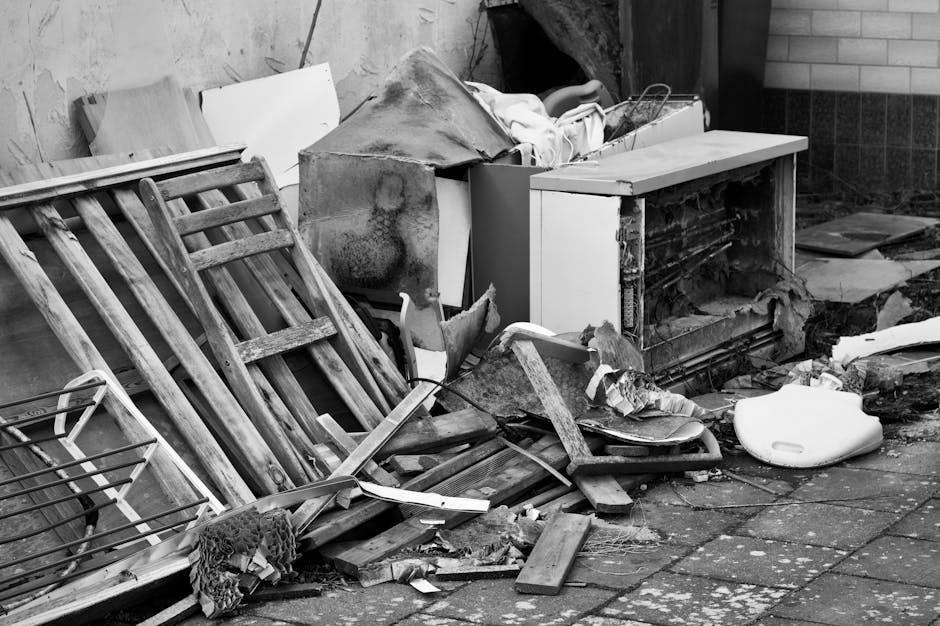
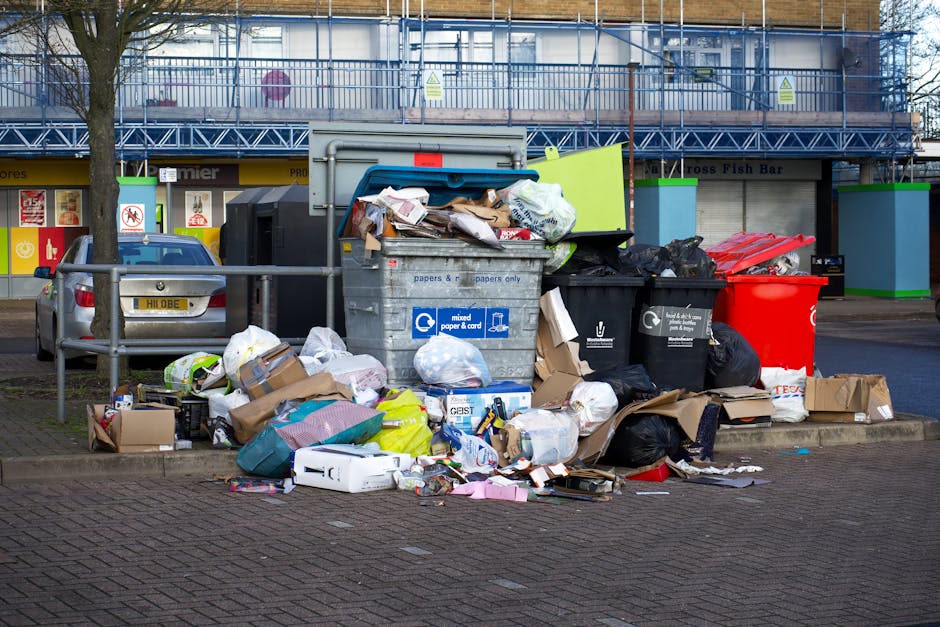
Urgent estate clearances in New Cross: emergency rubbish help
When a property suddenly needs clearing, the pressure can feel immediate. A bereavement, a tenancy handover, a last-minute sale, a hoarding situation, or a pile-up of bulky rubbish after a difficult week can all leave you needing urgent estate clearances in New Cross: emergency rubbish help that is fast, discreet, and handled properly. The challenge is not just moving items out of the property. It is doing it safely, respectfully, and without creating more stress than the situation already has.
In New Cross, where homes, flats, and mixed-use properties often have tight stairwells, limited parking, and neighbours nearby, an emergency clearance needs a calm plan. You want a team that can turn up on time, assess the job quickly, separate what can be reused or recycled, and leave the place presentable. You also want clarity on price, insurance, safety, and what happens to the items afterwards. That is what this guide is for.
Below, you will find a practical breakdown of how urgent estate clearance works, who it helps, what to expect, and how to avoid the common traps that catch people out when they are under pressure. If you are comparing options, it also helps to read the service details on the main New Cross clearance service page, plus the company's pricing and quotes information and recycling and sustainability approach.
Table of Contents
- Why Urgent estate clearances in New Cross: emergency rubbish help Matters
- How Urgent estate clearances in New Cross: emergency rubbish help Works
- Key Benefits and Practical Advantages
- Who This Is For and When It Makes Sense
- Step-by-Step Guidance
- Expert Tips for Better Results
- Common Mistakes to Avoid
- Tools, Resources and Recommendations
- Law, Compliance, Standards, or Best Practice
- Options, Methods, or Comparison Table
- Case Study or Real-World Example
- Practical Checklist
- Conclusion
- Frequently Asked Questions
Why Urgent estate clearances in New Cross: emergency rubbish help Matters
Urgent clearances are not just about speed. They matter because delays can affect safety, money, emotions, and the next person who needs access to the property. A hallway blocked by furniture, a kitchen full of bags, or a garden stacked with damaged items can stop a sale, delay a handover, or make a property unsafe to enter. In a local area like New Cross, where access can be tight and parking is rarely generous, those problems can snowball quickly.
There is also the human side. Estate clearance often follows a bereavement, a move into care, a family disagreement, or a sudden change in tenancy. In those moments, people usually want three things: discretion, speed, and confidence that the job will be done properly. Not flashy. Just properly. Truth be told, that is what makes a good clearance service stand out.
Emergency rubbish help matters because small delays can become bigger costs. A missed deadline for a landlord, an avoidable charge from a letting agent, or the expense of repeated trips to a recycling centre can all add stress. A well-organised clearance can reduce all of that by making the property usable again in one visit or a tightly managed schedule.
Expert summary: If a property needs to be cleared quickly, the best outcome usually comes from a service that balances urgency with care: fast response, safe handling, sensible sorting, and clear communication from start to finish.
It is also worth remembering that estate clearances often involve more than household rubbish. There may be books, documents, furniture, electrical items, sentimental objects, or items that should be separated for donation or recycling. A rushed job that ignores those distinctions can create avoidable waste. That is why responsible emergency clearance is about judgement, not just muscle.
How Urgent estate clearances in New Cross: emergency rubbish help Works
In most cases, the process starts with a quick discussion about the property, the volume of items, access, and how urgently the clearance is needed. If the job is genuinely urgent, the service may offer a same-day or next-day visit depending on availability. You should expect questions about the type of items, whether there are stairs or lifts, and whether anything needs special handling.
A good provider will then explain the likely approach. For example, an emergency flat clearance might need two people for speed and safety, while a larger house clearance may need a bigger team or multiple loads. If the property contains mixed items, the crew should sort as they go rather than treating everything as general waste. That simple difference can improve recycling and avoid unnecessary landfill.
On arrival, the team will usually assess access, protect floors where needed, and begin removing items in an organised sequence. In a cluttered property, that sequence matters. You do not want the front room emptied before the path to the back bedroom is clear. Small detail, big difference. The better crews tend to work from the access route inward, which sounds obvious until you watch a badly planned job and realise it is anything but.
If you want to understand how a reputable company handles operational standards, take a look at its health and safety policy and insurance and safety information. Those pages matter more than people think, especially when staircases, awkward furniture, or heavy white goods are involved.
After the clearance, the team should leave the property swept through and ready for the next stage, whether that is cleaning, redecoration, valuation, or handover. In emergency situations, that final tidy-up can be the difference between a property being merely emptied and being genuinely ready.
Key Benefits and Practical Advantages
There are several practical reasons people choose urgent estate clearance support instead of trying to manage everything themselves.
- Speed: A responsive team can remove pressure quickly when deadlines are tight.
- Reduced stress: You avoid multiple trips, lifting injuries, and the mental load of coordinating everything alone.
- Safer handling: Heavy furniture, broken items, and sharp waste need proper lifting and disposal methods.
- Better sorting: Reusable and recyclable items can be separated instead of dumped together.
- Local practicality: In New Cross, where parking and access can be tricky, experienced crews usually work more efficiently.
- Discretion: A calm, respectful approach matters when you are clearing a family property or sensitive space.
There is also a less obvious advantage: momentum. Once the property starts clearing, decisions become easier. You can see the space. You can measure what remains. You can work out whether the next step is a deep clean, a contractor visit, or a final inventory check. That sense of progress is often a relief in itself.
If you are comparing costs and service scope, the company's pricing and quotes page is a sensible place to start. Transparent pricing is especially helpful when the job is urgent, because nobody wants a stressful surprise at the end of an already difficult day.
| Benefit | What it means in practice | Why it helps in an emergency |
|---|---|---|
| Fast response | Short notice attendance and efficient removal | Helps you meet deadlines and reduce delays |
| Organised sorting | Items are separated for reuse, recycling, or disposal | Reduces waste and improves the outcome |
| Safe lifting | Trained handling of bulky or awkward items | Limits damage and injury risk |
| Local knowledge | Awareness of access, parking, and building layouts | Makes the job quicker and less disruptive |
| Clear communication | You know what is included, what is not, and when it will happen | Reduces stress and confusion |
Who This Is For and When It Makes Sense
Urgent estate clearance is often the right choice for people facing a deadline or a property that has become difficult to manage. It is not just for bereavement, although that is a common reason. It can also help landlords, executors, family members, solicitors, letting agents, housing providers, and homeowners who need a place cleared quickly before the next step.
Typical situations include:
- a property that must be handed back after a tenancy ends
- a probate or estate property that cannot move forward until it is empty
- a sudden house move where bulky items need to go immediately
- a cluttered flat with no easy way to remove furniture safely
- rubbish build-up after a refurbishment, clear-out, or family emergency
- a property that needs to be made safe for viewing, cleaning, or repair
Sometimes people ask whether they should just hire a van and do it themselves. Fair question. If the property is small, access is easy, and there are only a few items, that might be fine. But if there are stairs, heavy items, time pressure, or emotional strain, a professional clearance is usually the calmer option. You are paying for certainty as much as labour.
This is especially true in estate situations, where the items may include paperwork, photos, jewellery, or objects with sentimental value. A careful team will pause when needed and check before removing anything uncertain. That small bit of restraint can save a lot of regret later.
Step-by-Step Guidance
If you want the smoothest possible result, it helps to approach the clearance in stages. Even when time is short, a little structure goes a long way.
- Identify the deadline. Start with the real date and time you need the property ready. Is it same day, tomorrow, or by the weekend?
- List the main item types. Furniture, bags, appliances, books, documents, and any sharp or hazardous items should all be mentioned early.
- Check access. Note stairs, lifts, narrow hallways, lock issues, parking limits, or entry codes.
- Ask for a clear quote. Make sure the scope is understood before the team arrives. The quote guidance can help you ask the right questions.
- Separate valuables and personal items. Keep passports, keys, documents, and sentimental things aside before the team starts.
- Confirm disposal expectations. Ask how reusable items, electricals, and recyclables are handled.
- Prepare the property. Unlock access, clear the route if possible, and warn neighbours if parking may briefly be affected.
- Walk through at the end. Check rooms, cupboards, loft areas, and hidden corners before sign-off. People forget the oddest places. Cupboards especially.
A practical tip: if you are managing the clearance from a distance, ask for photos at key points. That can be especially useful when you are dealing with an inherited property or coordinating several family members who all have opinions. Let's face it, that happens quite a lot.
Expert Tips for Better Results
Over time, the best urgent clearances tend to have one thing in common: preparation before the crew arrives. Even a 15-minute prep can save a surprising amount of time on the day.
- Keep documents and valuables in one place. That reduces the chance of accidental removal and speeds up the job.
- Photograph complex rooms first. If there is any dispute later, you have a simple visual record.
- Be honest about volume. A small underestimate can lead to a rushed job or an incomplete quote.
- Ask about recycling routes. Good clearance firms should be able to explain their sorting process in plain English.
- Plan for follow-on work. If the property needs cleaning, repairs, or an inventory check, schedule that early.
- Choose calm over chaos. When people are upset, it is easy to rush decisions. A short pause before agreeing disposal can prevent mistakes.
One real-world pattern shows up again and again: the client thinks only the obvious rooms matter, then the team finds a cupboard, shed, under-stairs space, or loft hatch full of extras. Not unusual at all. It is why a proper walkthrough matters before the clearance begins.
If you are concerned about what happens to unwanted items after removal, the recycling and sustainability page is a useful read. Responsible disposal is not a nice-to-have anymore; it is part of doing the job properly.
Common Mistakes to Avoid
People in a hurry often make the same avoidable mistakes. A few minutes of care can prevent them.
- Leaving decisions until the van arrives. That can slow everything down and create pressure.
- Assuming everything is rubbish. Important personal items are sometimes mixed into ordinary belongings.
- Skipping the access check. A lift out of order or a blocked driveway can completely change the job plan.
- Not asking what is included. Stair carry, labour, disposal, and clean-up may not all be the same in every quote.
- Choosing only by price. Cheap is not always cheerful when the property is tricky or the schedule is tight.
- Forgetting the neighbours. In terraced streets or flats, a little notice can avoid unnecessary friction.
There is another subtle mistake too: treating an estate clearance like a simple skip fill. It is not the same. Estate clearance often requires more sorting, more sensitivity, and more flexibility. That distinction matters, especially if the property contains items for donation, recycling, or family review.
Tools, Resources and Recommendations
You do not need specialist equipment to prepare well, but a few simple tools can make the process easier.
- Marker pens and labels: useful for marking keep, donate, recycle, and remove piles.
- Phone camera: helpful for inventory photos, access checks, and quick records.
- Strong bags or boxes: better for documents, soft goods, and small loose items.
- Basic gloves: useful if you are sorting through dusty or awkward areas before the team arrives.
- Key list: a simple note of who has access, alarms, gates, and entry codes.
As a resource, a reliable provider's support pages can be useful before you book. For example, you may want to check the company's insurance and safety details, the health and safety policy, and the payment and security information. Those pages tell you a lot about how the business operates, even before you speak to anyone.
If you need extra reassurance about accessibility or website usability, there is also an accessibility statement. That might sound like a small thing, but when you are already stretched, clear information matters.
And if something goes wrong, a transparent complaints procedure is worth checking. Good businesses do not hide how they handle issues. They explain it plainly.
Law, Compliance, Standards, or Best Practice
With estate clearances and emergency rubbish removal, compliance matters because the work involves waste handling, property access, and often items that need careful sorting. The exact legal duties depend on the circumstances, but in the UK it is wise to expect proper waste transfer, sensible segregation of materials, and safe handling practices throughout the job.
In practical terms, that means the service should be able to explain how it deals with general waste, reusable items, electricals, and any items that need specialist treatment. It should also operate with suitable insurance and follow safe working methods, particularly where stairs, heavy lifting, or tight access are involved. If you are ever unsure, ask. A reputable company should answer without fuss.
For an estate or probate property, best practice also includes respect for personal belongings. That means checking before removing documents, photographs, small valuables, medication, or items that may have hidden sentimental importance. It sounds obvious, but under pressure it is easy to miss the small things.
The business should also have a responsible approach to disposal and recycling. The sustainability information can help set expectations here. In a good clearance, the goal is not just to empty the property; it is to do so in a way that is careful, lawful, and as responsible as practical.
If modern supply chains and labour standards matter to you, you may also want to review the modern slavery statement. It is a sign that the organisation is willing to put its principles in writing.
Options, Methods, or Comparison Table
There is more than one way to deal with an urgent clearance. The best option depends on time, access, item volume, and how sensitive the situation is. Here is a simple comparison to make the choice clearer.
| Option | Best for | Pros | Limits |
|---|---|---|---|
| DIY clearance | Small, simple jobs with plenty of time | Can be cheaper if you already have transport | Time-consuming, physically demanding, harder to sort waste properly |
| Skip hire | Ongoing renovation or bulk waste over several days | Handy if you are filling slowly | Less suitable for tight deadlines, loading heavy items can still be hard |
| Urgent estate clearance service | Time-sensitive properties, probate, flats, emotional or complex jobs | Fast, organised, safer, usually more efficient | Needs a clear quote and proper brief to avoid surprises |
For many New Cross customers, the third option is the most practical when time is short and the property has more than a few items. It is especially useful where access is awkward or where the clearance needs to be handled with a bit of tact. A skip on the street is not always the neatest solution, and in some places it is simply not realistic.
In other words, the best method is the one that fits the real situation, not the ideal one in your head at 9 a.m. before the phone starts ringing.
Case Study or Real-World Example
Here is a realistic example, based on the kind of situation that comes up often in New Cross. A family needed a flat cleared quickly after a relative moved into care. The property was on an upper floor, the lift was unreliable, and there were only two days before the agent's final inspection. The family had already removed documents, jewellery, and photos, but the rest of the flat still contained a mix of furniture, boxed items, and old electricals.
Rather than trying to do it all themselves, they arranged an urgent clearance. The team arrived with a clear plan: first the larger items, then the mixed bags and boxes, then a final check of cupboards and storage spaces. One small room turned out to have more items than expected, including a stack of old records and a box of cables that had somehow multiplied over the years. That happens. No one ever owns just three cables.
Because access had been checked beforehand, the job stayed on schedule. The property was left clear enough for cleaning and viewing. More importantly, the family did not have to spend two stressful days lifting, sorting, and arguing over who should take what. The clearance did not solve the emotional side of the situation, of course, but it removed the practical mess. And sometimes that is the relief people need most.
The takeaway is simple: when the deadline is tight, a structured clearance usually saves time, energy, and a fair bit of tension.
Practical Checklist
Use this checklist before booking or on the morning of the clearance. It keeps things moving.
- Confirm the deadline and access time.
- Walk through the property and note all rooms, cupboards, lofts, sheds, and outbuildings.
- Remove valuables, personal documents, keys, and medication.
- Take quick photos of important areas if needed.
- List any bulky, fragile, or awkward items.
- Ask how recycling and reusable items will be handled.
- Check whether the service includes labour, disposal, and final tidy-up.
- Make sure parking or entry arrangements are understood.
- Share any health, safety, or access issues in advance.
- Review payment details and make sure they are clear before the job starts.
Quick practical note: if anything feels uncertain, say so early. It is much easier to clarify a detail before the van arrives than while everyone is standing in a hallway with a mattress halfway through the door.
Conclusion
Urgent estate clearances in New Cross are about more than getting rubbish out quickly. They are about restoring order, protecting safety, and helping people move through a difficult moment with less strain. When the job is handled well, the property becomes usable again and the next step feels less daunting. That is the real value.
Whether you are clearing a family home, a flat after a tenancy, or a property that needs immediate attention, the smartest approach is to choose a service that combines speed, care, and proper disposal. Ask the questions that matter, check the safety and pricing information, and do not be afraid to pause for one calm minute before agreeing the plan. It usually pays off.
If you are ready to move forward, start with a clear quote request and a simple description of what needs removing. The right team can make a tough day a lot more manageable, and honestly, that can feel like a weight coming off your shoulders.
Get a free quote today and see how much you can save.
And if all you manage today is getting the first step sorted, that is still progress. One room at a time. One decision at a time.
Frequently Asked Questions
What counts as an urgent estate clearance?
An urgent estate clearance is a time-sensitive property clearance where the items need removing quickly, often because of probate, a tenancy deadline, a sale, or a family situation that cannot wait.
How fast can emergency rubbish help be arranged in New Cross?
It depends on availability, access, and the size of the job, but urgent clearances are often arranged for the same day or next day when the schedule allows. A quick enquiry gives the best answer.
Do I need to sort everything before the team arrives?
No, not usually. It helps to separate valuables, documents, and anything you definitely want to keep, but the clearance team can handle the rest. A short walkthrough before starting is usually enough.
Can an estate clearance include furniture and white goods?
Yes, in many cases it can. Furniture, fridges, washing machines, beds, and other bulky items are common parts of estate clearances, though special handling may be needed for certain appliances or hazardous items.
What if the property has clutter or hoarding conditions?
That can still be cleared, but it may need a more careful plan, a larger team, or staged removal. It is best to describe the situation honestly so the right approach can be arranged.
How is pricing usually worked out?
Pricing is commonly based on the amount of waste, access difficulty, labour needed, and the time required. For a clearer idea, review the pricing and quotes page and provide a full description of the job.
Will reusable items be thrown away?
They should not be, if they can be reused responsibly. A good clearance service will sort items for reuse or recycling where possible rather than sending everything to disposal.
What should I do with documents and personal papers?
Remove them before the clearance starts if you can. If you are unsure, put them in a clearly marked box and keep them separate from general contents. Sensitive paperwork should always be treated carefully.
Is the service insured?
It should be. Insurance matters because clearance work can involve lifting, transport, stairs, and property access. You can check the company's insurance and safety information for reassurance.
What if I need to complain or something goes wrong?
A reputable provider should have a clear complaints process. It is sensible to review the complaints procedure before booking, especially for urgent work where communication needs to be sharp.
Do urgent clearances create a lot of disruption for neighbours?
They can be kept fairly tidy if the job is planned well. Good access planning, careful loading, and sensible parking arrangements reduce noise and disruption. In flats or terraces, a little neighbourly notice can help too.
Why should I choose a local New Cross service instead of a general removals company?
A local service is often better placed to understand the area, parking pressures, and building layouts. That can save time on the day and make urgent work feel less chaotic, which is exactly what you want when everything is already moving fast.